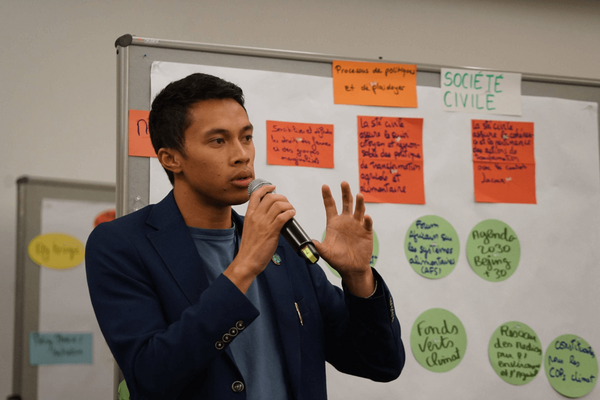
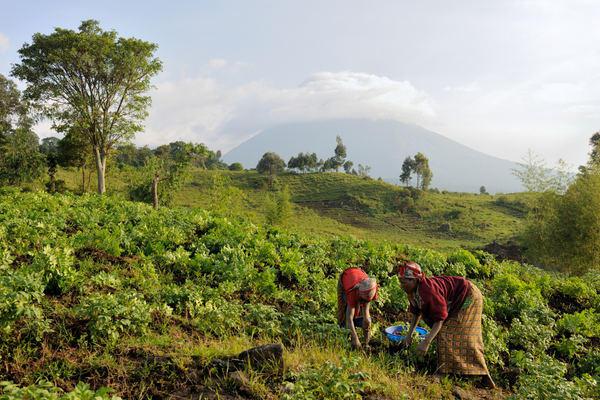
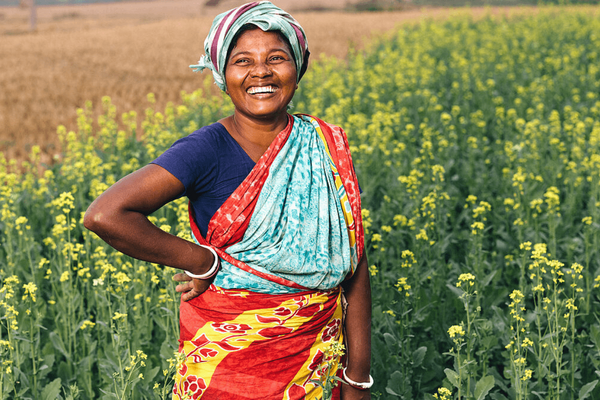
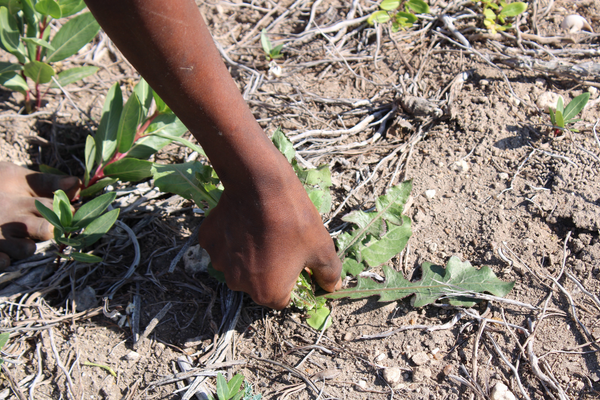
Climate adaptation, youth empowerment, and food systems intersect with challenging social and political conditions. Lucky Andrianirina illustrates how young people in Madagascar navigate structural barriers, translate global agendas into local action, and understand agriculture as a space of agency and hope.
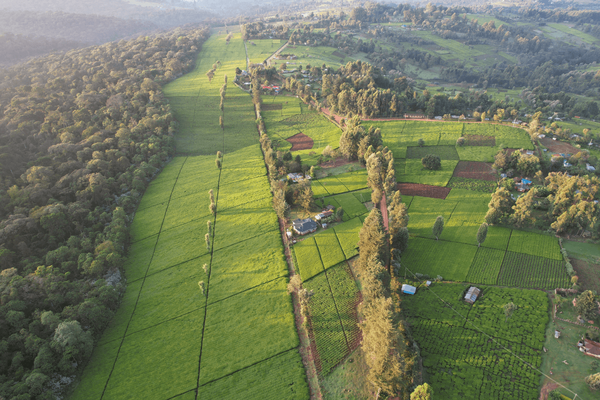
The Nyayo Tea Zones Development Corporation is committed to the preservation of forests in Kenya: The establishment of so-called buffer zones counteracts deforestation by planting trees and tea. In addition to the production of environmentally friendly tea, the project benefits the resources of the forests and the livelihoods of the communities living near the forests, says project manager Wallace Gichunge.
What do chocolate, carrots and tequila have in common? What sounds like the ingredients for an experimental cocktail are foods that would not exist without certain animal species. They are examples of how nature works for us every day, often behind the scenes.
Roughly 800 million people suffer from hunger worldwide. Change is needed - for people and for the environment. Brot für die Welt reports on the starting points offered by everyone's ecological footprint and handprint.
From measures to promote biodiversity in Germany to more sustainable cocoa cultivation methods in Ecuador: WWF works at many different levels. At the Green Week, it will be demonstrated just how multifaceted nature conservation work is and what role each individual's decision plays.
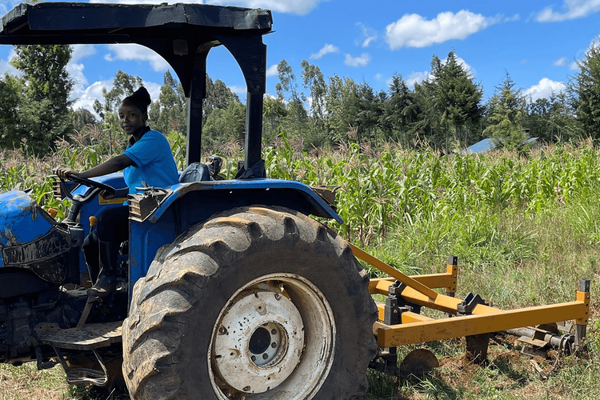
Journalists Angeline Ochieng and Victor Raballa visited Ms Bilha Munyole, a Kenyan farmer in Kimilili, Bungoma County, on her maize plantation. About the important role of mechanisation in climate-smart agriculture and in building resilience to the impacts of climate change.
Iraq suffered many years of war, sanctions and economic crises. However, Ally-Raza Qureshi from the World Food Programme in Iraq sees progress. But now the effects of climate change are becoming apparent in the country. What is to be done?
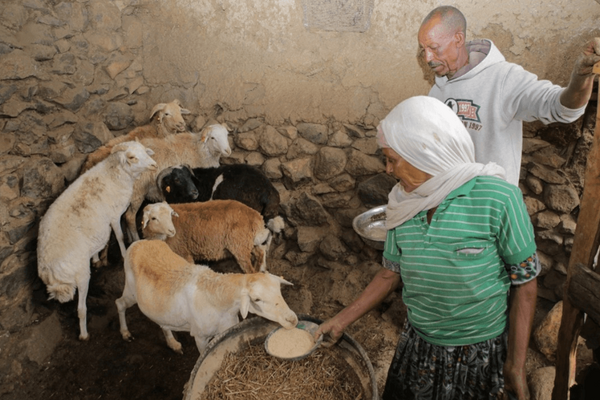
The production of animal-source foods is becoming increasingly difficult due to the impact of climate change on the livestock sector in Africa. Though, Livestock make a crucial contribution to food security in Africa. Three papers by the Federal Ministry for Economic Cooperation and Development (BMZ), GIZ, ILRI and World Bank analyze, how Africas future livestock sector can look like.
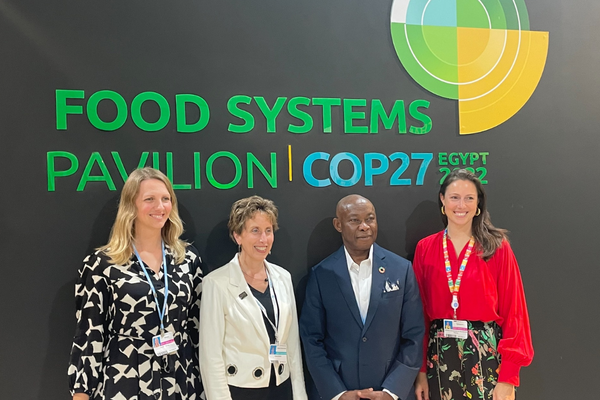
Stephanie Heiland, Project Manager at Sector Project Agriculture and part of this year’s Observer Delegation of the Deutsche Gesellschaft für Internationale Zusammenarbeit (GIZ) at COP27, shares her insights on the role of agriculture and food systems at the climate conference. Among other things, she reports from GIZ’s COP27 side event ‘Climate resilient agriculture and food systems in times of multiple crises and fragility’.
Future generations need more sustainable and stable agri-food systems. But how can this comprehensive transformation succeed and what responsibility does the private sector bear? These questions were the focus of the G7 Sustainable Supply Chains Initiative (G7 SSCI) side event as part of the ‘Champion Youth Action’ day at the 27th UN Climate Change Conference (COP27).
The Federal Ministry for Economic Cooperation and Development sees sustainable agri-food systems as an opportunity to protect the climate, preserve biodiversity and ensure food security in the future. Dirk Meyer, Head of Directorate-General 1 at the Federal Ministry for Economic Cooperation and Development, looks ahead to the upcoming COP27.
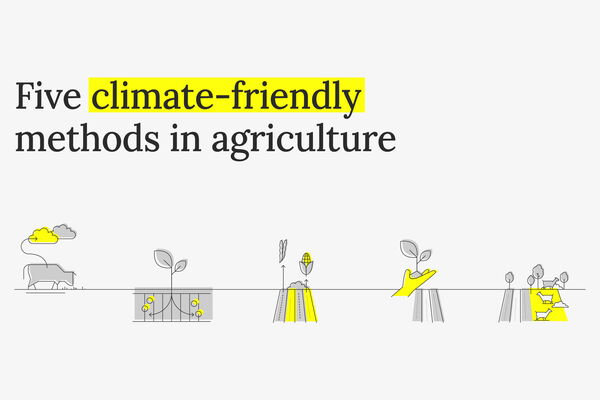
Agroecological methods target diversity and resilience and can thus promote the protection of forests, water and soil. Julia Tomalka and Christoph Gornott, Potsdam Institute for Climate Impact Research (PIK), on the potential of agroecology to safeguard against climate change and build resilient agri-food system.
The world is facing major challenges that need to be solved. We need to feed an ever-growing population, bring climate change under control and stop the loss of biodiversity. Martina Fleckenstein, Director of Global Policy at WWF, on what is expected from the climate conference in terms of biodiversity and biodiversity conservation.
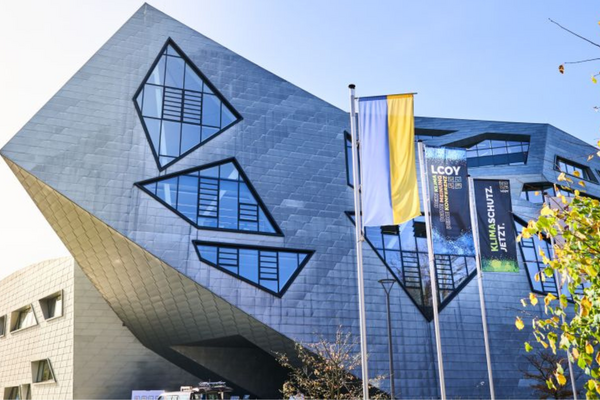
At LCOY Germany, the local youth climate conference, views on climate protection from all political spectrums are discussed. The Fairactivists, a programme of Fairtrade Germany, participated with a panel discussion on the link between social justice and climate justice.
This year's United Nations World Drug Report highlights for the first time the nexus between illicit drugs and the environment. In view of climate change, it is time to feed the debate with facts and make drug policy greener
A Contribution by Adrian Muller, Catherine Pfeifer and Jürn Sanders (FiBL)
Taking Biodiversity Focus Areas under production or abandoning lower yielding, more extensive production systems is the wrong approach to mastering the looming global food crisis, say the authors of the Research Institute of Organic Agriculture (FiBL).
Indian farmers restore precious soil material combining traditional with innovative approaches. A case example how governance, agriculture and development cooperation can work together to combat climate change.
The climate crisis fuels world hunger. What needs to change in the global fight against hunger, and which role plays humanitarian aid in international development cooperation?
Climate change already affects the daily lives of people in the Global South. What are the challenges they face and what do these imply for negotiations at the climate conference in Glasgow?
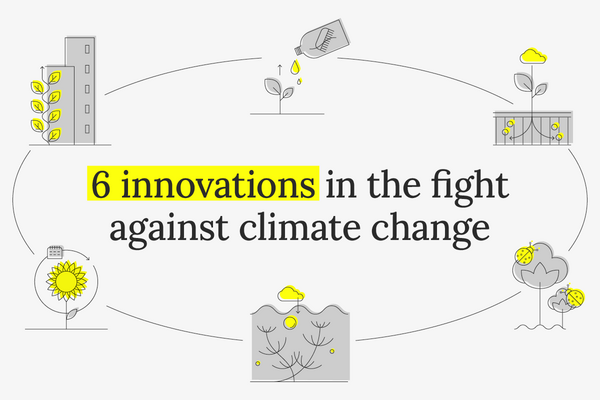
Vertically growing plants, magnetic cotton. Hairy leftovers fertilizing fields, tractors running on algae? These six innovations could lead agriculture’s next Green Revolution!
Every one degree Celsius rise in temperature increases the risk of conflict by two to ten percent. The climate crisis is a humanitarian crisis, as the photos by Christoph Püschner and Frank Schultze illustrate.
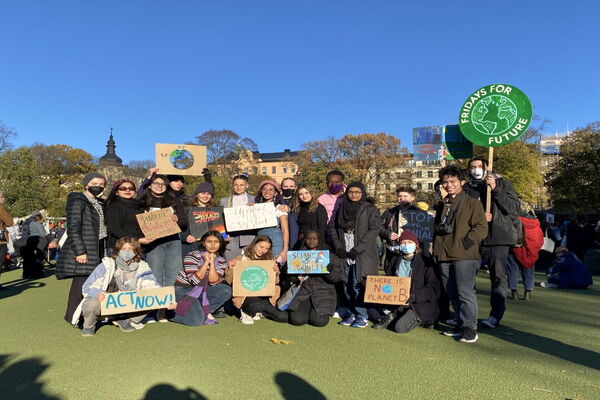
At the climate conference in Glasgow, activists from various groups protested again – Leonie Bremer from ‘Fridays for Future’ was there too. How can climate protection and development cooperation work hand in hand?
Interview with Bernadette Arakwiye und Salima Mahamoudou (World Resources Institute)
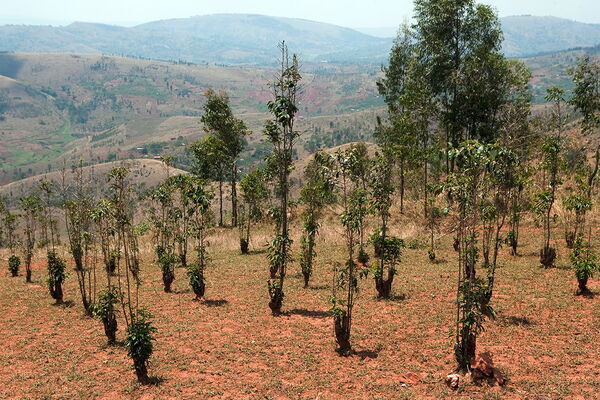
Deforestation is leading to a shortage of ressources. What are the options for counteracting? A conversation with Bernadette Arakwiye and Salima Mahamoudou about renaturation and the possibilities of artificial intelligence.
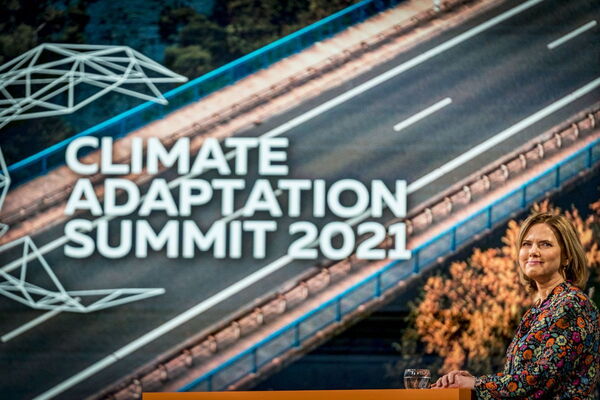
The first Climate Adaptation Summit put climate adaptation at the center of politics for the first time. The virtual meeting united global players with one goal: building resilience is just as important as climate protection itself. Around 15,000 participants discussed direct proposals.
Environmental change is having a particularly strong impact on the African continent. Its landscapes see both negative and positive processes. What is science's view of this? A conversation with Cyrus Samimi about mobility for livelihoods, urban gardening and dealing with nature.
It began with clicks at a trade fair and ends with concrete reforestation: a campaign at the Green Week in Berlin is now enriching the forests of the Yen Bai Province in Vietnam. A chronicle of an education about climatic relevance to concrete action - and about the short distances on our planet.
A contribution by Dr. Kathleen Mar and Dr. Nicole de Paula
Against the backdrop of the COVID-19 pandemic, health is receiving unprecedented public and political attention. Yet the fact that climate change is also affecting the environmental and social determinants of health in a profound and far-reaching way deserves further recognition.
A report by Bettina Rudloff and Annette Weber (SWP)
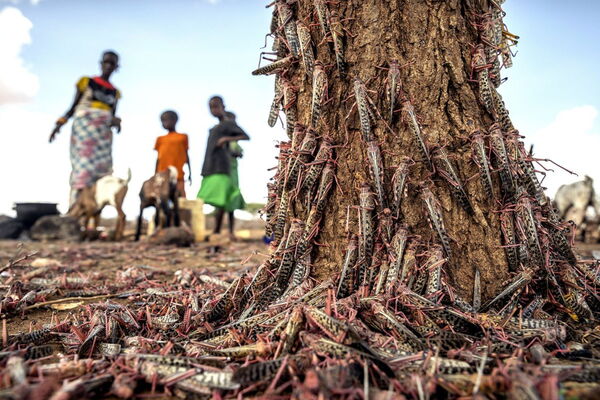
The Corona-Virus exacerbates existing crises through conflict, climate, hunger and locusts in East Africa and the Horn of Africa. What needs to be done in these regions? To face these challenges for many countries, all of these crises need to be captured in their regional context.
A report by Alexander Müller and Jes Weigelt (TMG)
As the climate changes, the population of Africa is growing and fertile land and jobs are becoming scarcer. New ways are currently leading to urbanisation of agriculture and a new mid-sized sector in the countryside
A contribution by Michael Brüntrup (DIE) und Daniel Tsegai (UNCCD)
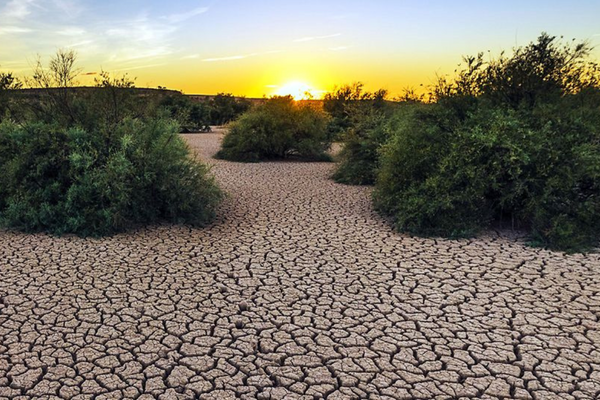
Droughts are the natural disasters with far-reaching negative consequences. While rich countries are still vulnerable to drought, famines are no longer found.
A study by the World Bank predicts that millions of people in sub-Saharan Africa will have to leave their homelands because of climate change. We have spoken with one of the authors
Adaptation to climate change can be achieved by making agriculture more environmentally sustainable – if the rich countries also reduce their emissions
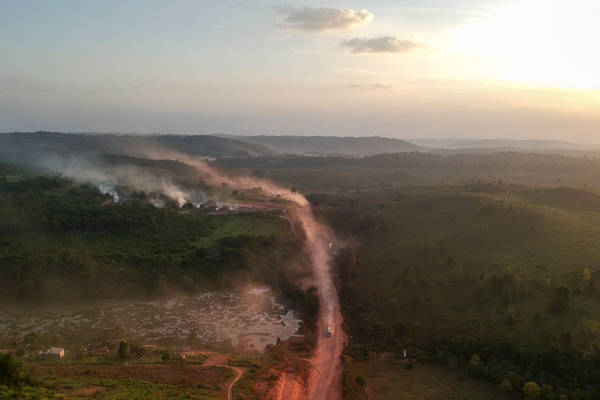
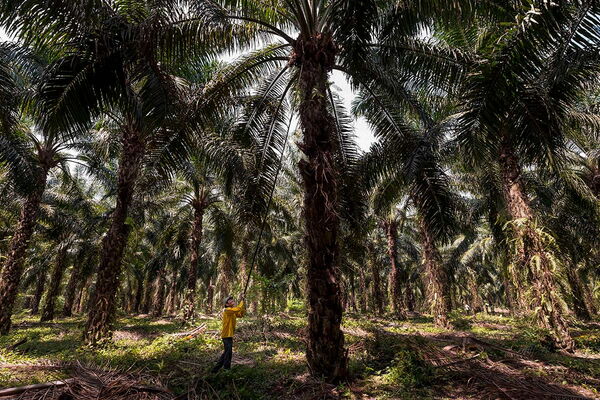
In the tropics rainforests are still being felled for the production of palm oil, meat and furniture. It is high time to act. Proposals are on the table.
We use cookies on our website. Some of them are essential, while others help to improve your user experience. Your consent is voluntary and can be revoked at any time on the "Privacy" page.
Protects against cross-site request forgery attacks
Retention period: This cookie remains only for the current browser session.
Saves the current PHP session.
Retention period: This cookie remains only for the current browser session.
Content from third-party providers, such as YouTube, which collect data about usage. Third-party content embedded on this website will only be displayed to you if you expressly agree to this here.
Provider: Google Ireland Ltd., Gordon House, Barrow Street, Dublin 4, Ireland
Retention period: Here you can learn more about the storage period of the cookie: https://policies.google.com/privacy.
Provider: Vimeo, Inc. / 555 West 18th Street New York, New York 10011, USA
Retention period: Here you can learn more about the storage period of the cookie: https://vimeo.com/privacy.
We use Matomo analytics software, which collects anonymous data about website usage and functionality to improve our website and user experience.